

The combination of natural elements with modern lighting technology creates an exceptional chance to transform indoor spaces through the use of hanging garden plant lamps. The warm white LED light spectrum establishes a friendly space which imitates the gentle illumination found during late afternoon hours because it provides more comfortable light than the harsh blue light produced by budget-friendly electronic devices. The particular color temperature range between 2700K and 3000K provides plants with optimal interior light conditions which make their leaves shine with maximum brightness while the light serves as an effective chandelier. The suspended elements from the ceiling create a visual effect which makes small urban apartments appear more spacious because they direct attention toward the ceiling. The presence of plants in an environment creates positive psychological effects, but when combined with planned lighting, the space transforms into a peaceful retreat which helps people feel less anxious while boosting their happiness levels. This product functions as a lamp which operates as a permanent artistic installation that develops with your home design, providing a modern solution to outdated lighting systems which lack the natural motion found in actual plant development.
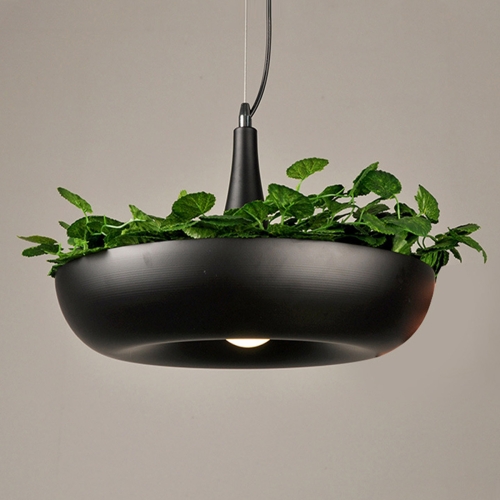
People need to learn about sustainable LED technology together with its relationship to indoor plant growth.
The advancement of LED technology has transformed our understanding of indoor gardening practices which includes DIY chandelier projects that demand both safe operation and effective performance. LED bulbs maintain their temperature because they generate no warm air, which allows users to touch them safely after running for a full day. The potted chandelier needs this heat control system because it enables safe light placement above plants without causing any harm to them. The warm white LEDs function effectively as maintenance lighting because they supplement low-light conditions needed by Pothos, Spider Plants, and Philodendrons to grow inside dimly lit spaces. You can keep your hanging garden lights on for the entire night because these lamps use energy-efficient technology that prevents any increase in your electricity costs. The design element of LED strips and small bulbs creates a slim profile which supports a minimalist design while highlighting the graceful shape of trailing vines and their opponents, thus achieving a perfect harmony between nature and sophisticated electrical designs.
A Step by Step Guide to Crafting Your Custom DIY Plant Chandelier
Building a hanging plant lamp through DIY methods requires designers to find harmony between structural safety and artistic expression to achieve both aesthetic and functional requirements. The process starts with you choosing a light yet strong potting container that needs to meet your weight requirements for your suspended chandelier, which makes resin or recycled plastics better options because terracotta will exceed your limits. The wiring stage needs waterproof LED strands to be threaded through a central conduit system, which creates complete protection against all water contact during periodical watering activities. The most satisfying part of this construction project allows you to adjust the suspension system using three distinct rope options which include thick macramé ropes and matte black chains and high-tensile aircraft cables. The damp soil weight will determine your maximum ceiling hook weight capacity when you build the frame. You can adjust your lamp dimensions through this hands-on method until it matches your dining room and reading nook needs. The piece becomes more familiar to you through your own building process which enables you to manage plant maintenance and control seasonal lighting adjustments.
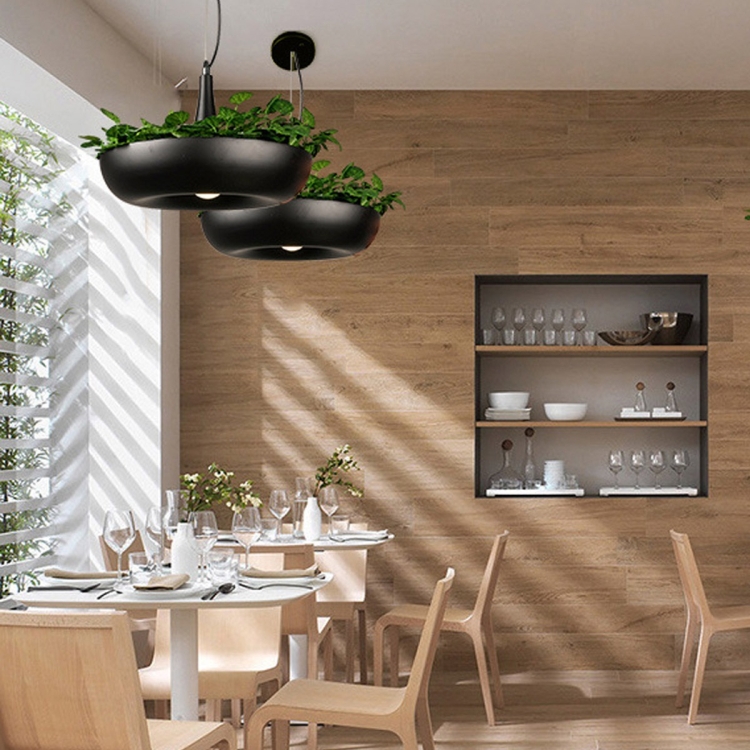
Selecting the Perfect Indoor Plant Species for Areas That Receive Warm Light From Hanging Fixtures
The selection of proper plant species determines whether a indoor plant will thrive as a chandelier installation or create a maintenance challenge. The lamp emits a warm white glow which requires trailing plants that grow best under indirect light to create the "waterfall" effect which chandelier displays. The Heartleaf Philodendron maintains its status as a leading choice because its heart-shaped leaves and exceptional durability create an ideal plant for glowing pot containers. The String of Pearls or String of Hearts offers another beautiful option which displays a delicate jewelry-like pattern that shines when exposed to LED light. The Air Plant (Tillandsia) offers an architectural design option which requires no soil for its installation because it can be placed straight into the lamp frame. The plants function as air purifiers which remove indoor toxins through their natural ability to purify air while warm light shows their distinct textures and their different patterned appearances. The installation provides permanent aesthetic value to your home when you select LED light output which matches the plant's illumination needs.
Your Living Space needs Practical Maintenance Guidelines together with Safety Guidelines for Your Living Lighting Fixture.
The process of maintaining a hanging garden plant lamp differs from standard windowsill pot maintenance because the lamp has built-in electrical parts. The most important rule is to utilize a "double-pot" system: keep the plant in a plastic nursery liner with drainage holes, which then sits inside the decorative, sealed chandelier pot. This method enables you to take the plant outside for complete watering in the sink without any water runoff reaching the LED wiring or hardwood flooring. The light requires warm white LEDs which must have damp-proofing because leaf transpiration creates a humid micro-environment around the fixture. The dusting process remains essential because a single monthly leaf and LED bulb wipe maintains light output while supporting plant photosynthesis. The use of a smart plug or timer to control your light cycle will benefit your plants by creating a stable day-night rhythm which matches your home arrival times. Your DIY plant chandelier will maintain its safe operating condition while producing a sparkling display which attracts visitor admiration after you implement these basic safety measures.
Conclusion
The DIY warm white LED hanging garden plant lamp goes beyond its function as a lighting product to serve as an integrated design solution which enables people to create spaces that promote their health and ecological sustainability together with their unique personal style. The natural unpredictability of nature combines with modern LED technology to create a central design element which elevates the room from ordinary use to special use as a dedicated space. The warm white light creates a nostalgic and comfortable space which diminishes the sharp lines of contemporary design while the living plants establish an essential link to nature. The project becomes possible for all people because they can use LED lights and durable houseplants to create their first home improvement project which suits their crafting skills. The chandelier shows your dedication and artistic talent through its illumination of your growing trailing vines which extend towards the ceiling. The concept demonstrates that our residences should reflect our vital energy through their illumination and airflow and aesthetic appeal. The project demonstrates that functional objects can achieve magical qualities because of the DIY approach which allows you to suspend garden elements from your ceiling.