

It’s specialized locksmith hardware
So, understanding professional lockpick tool sets is kind of like learning any specialized instrument, it’s not some magic shortcut for getting in anywhere. It’s specialized locksmith hardware, with a specific purpose. A three piece picklock set might include multiple shaped tools, for professional review, training, maintenance, or authorized entry work where you already have permission. Different profiles let a qualified locksmith observe how a lock behaves during legitimate servicing, and they also help security professionals examine weak points in a responsible way, not like random tinkering. The real value, honestly, is in controlled use, solid knowledge, and clear consent from the property owner. For beginners, the “biggest assortment wins” idea usually fails. Instead focus on durable tools with comfortable handles, corrosion resistant construction, and purposes that are clearly identified. Good manufacturing really can improve control, plus it helps reduce accidental damage to those delicate internal components. Anyone buying, carrying, or using such equipment should check local laws first, then professional requirements, and also workplace policies. Because in some places, possession or use of lock tools may be regulated. Responsible practice also includes documenting authorization before touching any lock, and avoiding experimentation on property that doesn’t belong to the operator. When used legitimately, pick tools can assist with lock inspection, repair, education, security testing, and professional training, rather than turning the same tools into something used for unauthorized access.
Picking a solid locksmith tool setup
Picking a solid locksmith tool setup in a practical way should start with intent, build quality, and how well it fits your existing routine, not just how it looks on a shelf. Many professionals tend to care about tools that feel steady, resist wear, and are easy to spot during a hectic service call, even when lighting is bad or time is tight. A smaller three piece set can still be handy for training, audits, or basic inspection, since it keeps everything a bit more controlled while still covering the main tool profiles you’ll likely need. Try to notice smooth finishing, resilient metal, comfortable grips, and overall construction that doesn’t seem fragile after repeated handling, or after a few quick turns of the wrist. Thin tools can bend, scuff, or just drift out of place if they’re left loose in a toolbox, so storage is not a minor detail here. A labeled case, or even a protective sleeve, can make organization easier and help protect the equipment between jobs, rather than hoping for the best. Also, think about what the set is actually for, education work, locksmith service use, security assessment, or some other lawful purpose. Product descriptions should be read like carefully, because the same “tool name” can sometimes cover very different designs and quality tiers. Instead of leaning too hard on bold marketing lines, compare the real material notes, dimensions, maker reputation, warranty specifics and, when available, feedback from actual users. In professional settings, buying from reputable suppliers can help with paperwork too, and replacement later on. Above all, a set of tools should work with proper training and authorization, not try to substitute for it. Well made equipment supports careful handling, and responsible practice is what really protects customers as well as property.
Gaining Practical Skills With Ethical Training
Training matters because locksmith work involves judgment, and tools do not magically supply that. A beginner should figure out, how locks are put together, what kinds of internal mechanisms actually give security, and why careless handling can end up causing real damage. A structured education course can also bring in legal boundaries, customer verification, workplace safety, proper documentation , and ethical decision making. Practice should happen only on locks the learner owns, or on equipment that is supplied for authorized training. When the training environment stays transparent, fewer misunderstandings happen, and there is a clear line between professional skill building and unauthorized entry. A simple three tool set can be useful in an educational context, because students can get used to different tool shapes, while learning the general ideas about lock construction and servicing. Still, hands on exercises should track the curriculum and the supervision of a qualified instructor, not improvised attempts on real doors, or security devices. Training providers may offer suitable pathways, depending on the region and local rules. Learners should also absorb that successful locksmithing is much more than lock manipulation. Installation, rekeying, hardware selection, customer communication, key systems, access control, security assessment, and emergency response can each require different knowledge. Broader skills build a stronger professional foundation, not just manual ability. Responsible training stresses competence, permission, safety, and accountability.
Maintaining Tools For Reliable Work
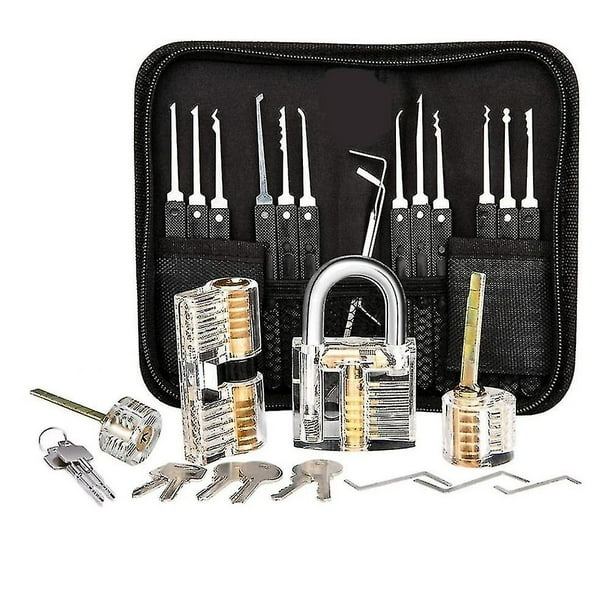
Keeping locksmith tools in good shape is kind of a basic habit, it protects both the tools themselves, and the hardware being serviced. After any authorized work is done , tools should be checked for bends , burrs, cracks, corrosion, loose handles, or other problems that could reduce control. If equipment is damaged it should be taken out of service, rather than forced into the next job. Clean, dry storage is really important for slim metal tools because moisture and friction can slowly, almost quietly, affect their surfaces. A small, neat case can keep each piece apart and yes, it also makes missing items easier to catch. Handles should stay clean too, so the user can keep a steady grip without depending on a ton of pressure. When manufacturers share care instructions, those should be taken first, not generic advice that’s kind of similar. It’s also important to avoid modifying tools casually, because even minor changes can weaken materials or lead to unexpected cutting edges. During professional servicing, protecting the customer’s hardware should stay front and center, not “afterthought” territory. If a tool starts acting strangely, the safest path is to stop, take a careful look, and use an appropriate professional method rather than pushing harder. In general, good maintenance has two wins: it helps extend the useful life of the equipment ,and it lowers the chance of avoidable damage during legitimate work. during routine professional service work.
Defensive Security With Locksmith Equipment
Security professionals can treat locksmith tools in a defensive way by looking at which weaknesses security hardware is meant to resist. This does not mean publishing step by step operational instructions for bypassing a specific lock. Instead, a responsible evaluation is more about the installed hardware’s condition, the access control quality, day to day maintenance habits ,and whether protections fit the property’s actual risks. Authorized security testing should always include written scope, clear ownership, timing, and reporting procedures. Then a locksmith or security consultant can record observations without turning them into details that could be misused. This approach helps owners and managers sort of figure out whether existing protections are still appropriate or not. Physical security really should be on the table too, not just cameras, lighting, access records, alarms, restricted keys, and those day to day staff procedures. No single item gives complete protection, and a well maintained system depends on multiple layers that work together, even if some parts feel small. When evaluating locksmith equipment for professional use, the same idea fits : tools should be chosen based on the legitimate job at hand and then used only within authorized limits, boundaries that are clearly understood. Ethical handling of security information is also technical competence, not a nice extra. Professionals who describe risks carefully, keep customer confidentiality intact, and suggest proportionate improvements can deliver more value than someone who just shows a tool. Defensive locksmith practice should strengthen lawful security, basically.

Conclusion
Three piece picklock and locksmith tool sets can still have legitimate value, but only when they are treated as professional equipment, not as casual devices meant for bypassing security. How useful they are depends on the user’s training, the tool quality, the equipment condition, and above all clear authorization. A careful buyer should check the materials, construction, storage setup, the intended purpose, supplier reliability, and any applicable local rules before buying anything. A responsible practitioner should keep the tools clean, organized, and in good working condition while also protecting customer property from unnecessary scuffs or damage. Training should happen in controlled settings, using personally owned or explicitly authorized locks, with attention to professional ethics, customer verification, and legal responsibilities, all of that. A security assessment should mainly focus on tightening protection, recording risks, and then suggesting doable improvements, instead of sharing operational specifics that might help someone misuse things. In locksmith businesses, paperwork routines and inventory practices really do support accountability, even when everyone thinks it’s “just admin” . In the end, a compact three tool set is only one slice of professional locksmithing, not the whole meal. Knowing hardware basics, access systems, installation methods, routine maintenance, customer service approaches, and general security principles creates way more real value. If used responsibly, locksmith tools can back education, authorized service, repairs and defensive security efforts, while still honoring property rights and public safety. It’s that kind of balance that turns specialized equipment into actual professional practice.